Introduction
39% of U.S. consumers have used AI for shopping, according to Adobe, and Salesforce says AI influenced 20% of purchases during last year’s BFCM. But only 11% let AI make purchases for them.
So AI’s influence sits in product recommendations, aka the shortlist. And the shortlist gets built from what your customers do after they buy: the reviews they write, the videos they post, the brand names they search. Here is how to build a compounding loop around that new behavior.
From clicks to shortlists
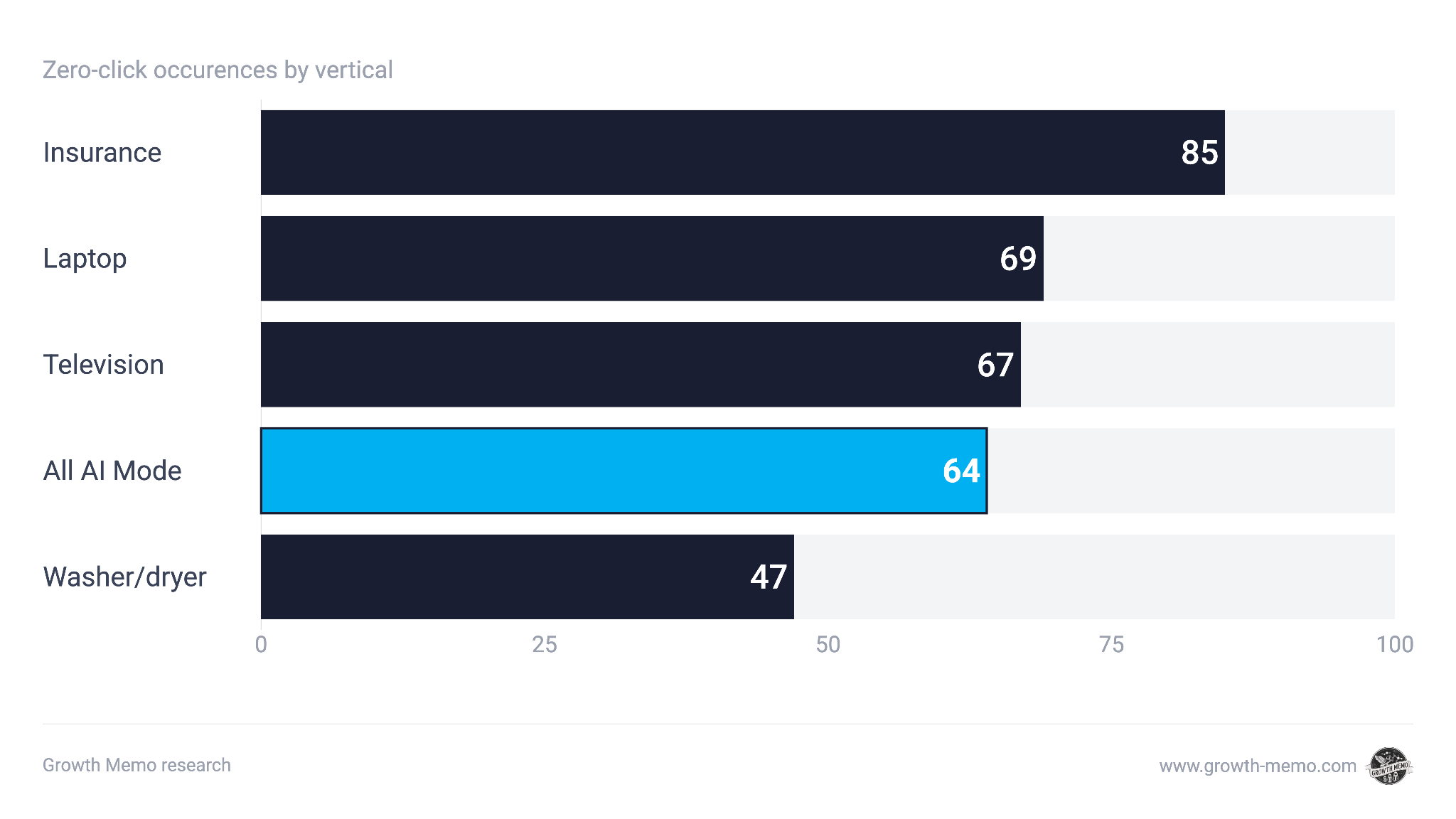
Growth Memo research has repeatedly shown that users accept and trust the shortlist AI serves them: 88% of participants in our AI Mode user behavior study took the shortlist as-is. Consequently, 64% of users clicked nothing on average, and only 23% visited an external site (directly, without clicking a link). Another user behavior study about shopping in ChatGPT shows 93% of sessions had no meaningful click-out; only 3% verified the answer on the open web.
Growth Memo | Kevin Indig | Substack

AI Visibility Strongly Impacts Product Choice
AI visibility in Google’s AI Overviews has much stronger correlations with YouTube mentions 0.7, branded web mentions 0.7, branded anchors 0.6 and branded search volume 0.4 than metrics like DR 0.3 or referring domains 0.3, according to an Ahrefs study. This citation pattern is confirmed in another analysis by Peec AI.
Organic growth in ecommerce runs as a loop
I divide organic growth for ecommerce into five steps:
- Being visible in the AI shortlist.
- Capturing more value out of the traffic we still get.
- Optimizing packaging for engagement.
- Investing in ongoing relationships.
- Driving brand trust and recall.

Stage 1: Optimize product feed to be eligible for the shortlist
The ecommerce ecosystem is building the infrastructure of the future: shopping protocols. Product feeds mattered to earn appearances in Google’s product grids. Now, they’re critical for AI visibility and direct checkout.
Stage 2: Maximize traffic you still get with tools
AI sends fewer, more qualified visitors, but they still need confidence in fit, taste, and comparison. Tools like quizzes, calculators, and buyer guides help them decide.
Stage 3: Packaging can lead to AI citations
25B people watched videos with "unboxing" on YouTube, and we know YouTube mentions correlate strongly with AI mentions (in AI Overviews).
Stage 4: Win the next purchase between purchases
As winning new customers through organic search gets harder, the math favors the second order. Across 12,000+ Gorgias merchants, repeat customers make up 21% of customers and generate 44% of revenue.
Stage 5: Become the brand shoppers ask for
A brand name in the prompt changes the question. Brand recall is the cheat code that bypasses any shortlist.
Long-term value comes from what’s hard to copy
Every stage of the loop has a part competitors can buy and a part they have to earn: reviews, creator relationships, community, first-party data and the recall that makes shoppers type your name into a prompt.